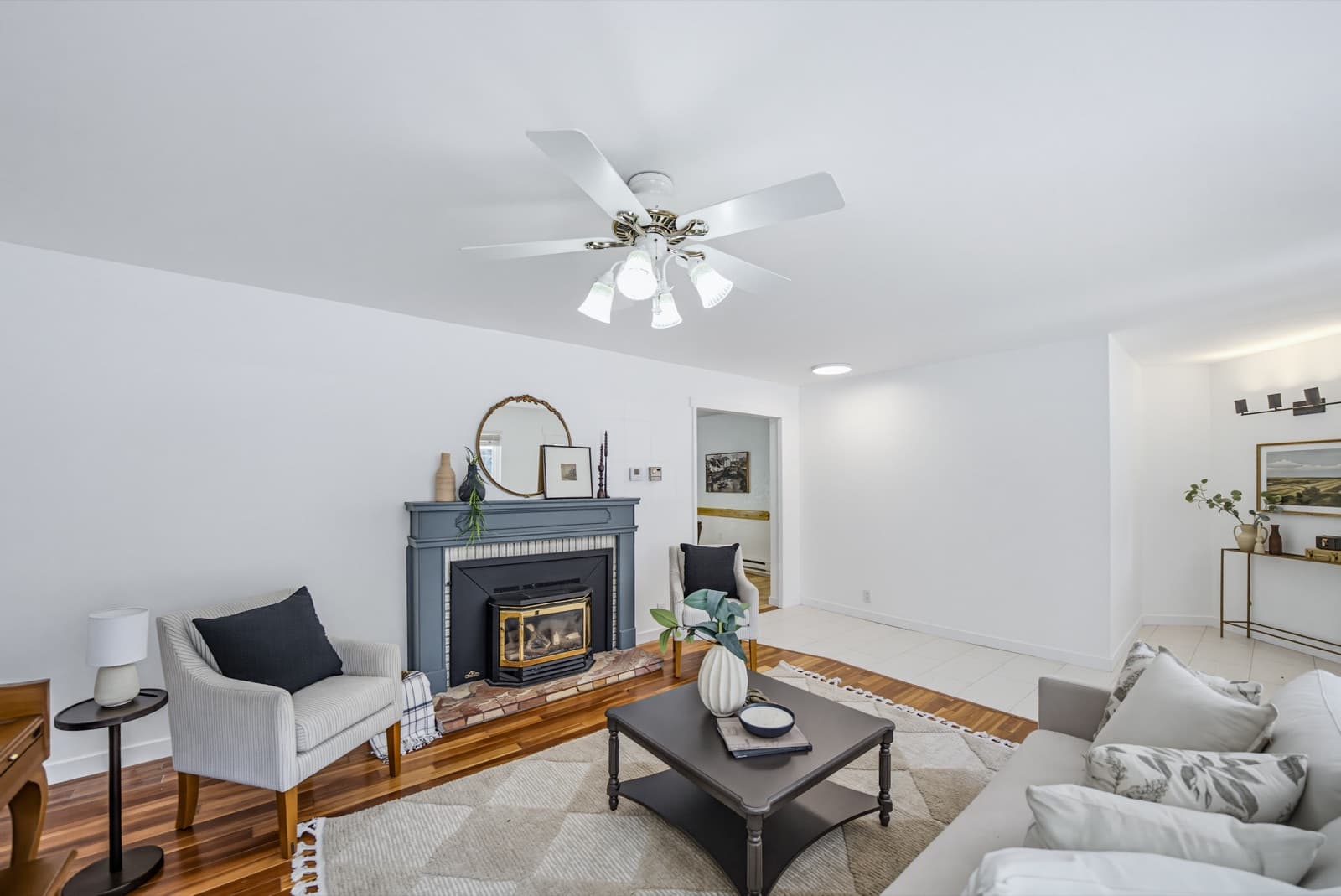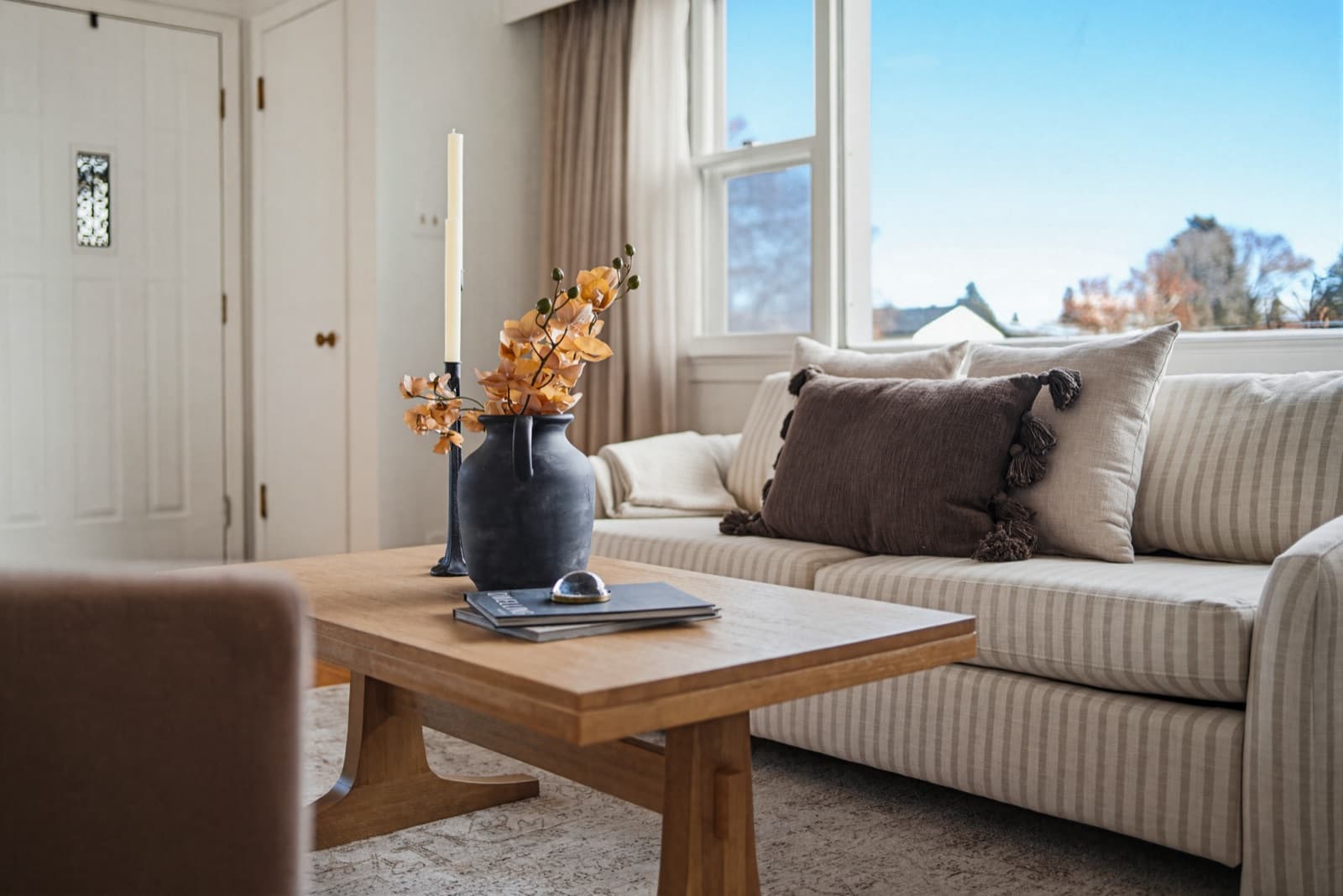

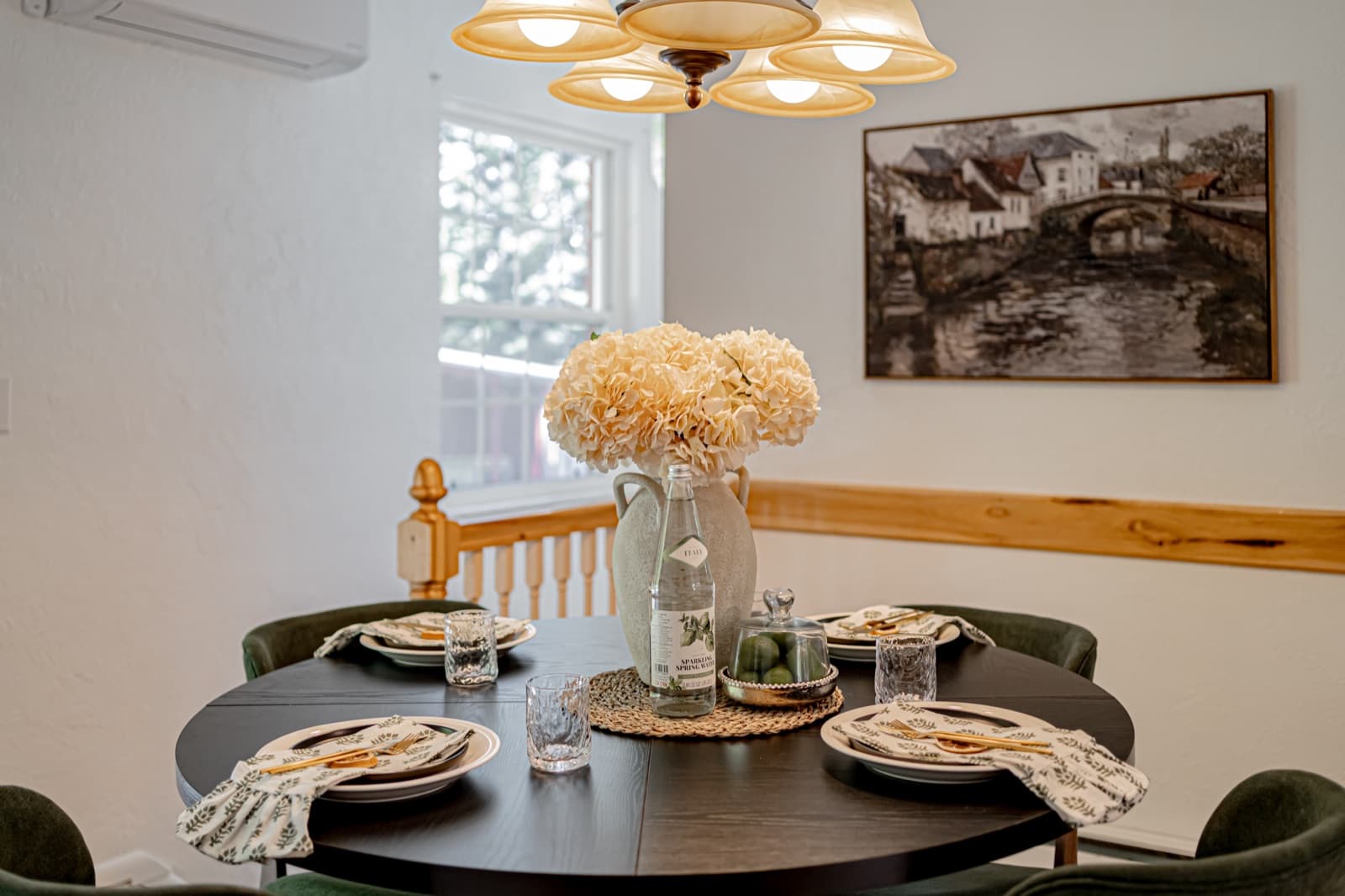
With a sale on the horizon, the urge to start fixing everything in sight is strong. Resist it for a second, because not every dollar you sink into a home finds its way back at closing, and a few of the most popular projects return surprisingly little. If you're going to spend money getting your home ready, here's where it tends to pay off in the East Idaho market and where it usually just disappears.
The best place to start is also the cheapest. Paint delivers the highest return of any project there is, since a fresh, neutral coat makes a whole house feel clean, updated, and ready to move into, all for very little relative to the impact. Stick with warm neutrals that photograph well and appeal to the broadest crowd, and let go of that bold accent wall you loved, because the goal now is helping buyers imagine their own life in the space, not admiring yours.
Step outside and you'll find curb appeal punches well above its weight, especially here. Buyers form an opinion before they've even climbed out of the car, so tidy the yard, trim the bushes, lay down fresh mulch, and make the front door look sharp. Given our winters, clear walkways and a welcoming entry matter in any season. None of it costs much, and it sets the mood for everything that follows once they're inside.
Once they're through the door, nothing sells like a clean, uncluttered home, and deep cleaning and decluttering cost almost nothing. A spotless, pared-down space looks bigger, brighter, and better cared for, so clear the counters, thin out the closets until they read as roomy, and stash the overflow in a rented storage unit if you need to. This one nearly free step changes how a home shows more than most projects you'd pay for.
While you're at it, knock out the small repairs, because they speak louder than they should. A leaky faucet, a sticking door, a cracked outlet cover, a dead bulb, each one quietly tells a buyer the place wasn't cared for, even when the fix is trivial. Handling the little stuff keeps buyers from lying awake wondering what bigger problems are hiding behind it.
Now for the flip side, the projects that tend to disappoint. Major kitchen and bath remodels rarely return what you put in when you're doing them purely to sell, and a full kitchen overhaul can run tens of thousands while you recoup only a slice of it at closing. If your kitchen is dated but works, smaller touches like new hardware, a fresh faucet, or a coat of paint stretch your dollars far further than a gut job ever will.
Pools are a hard sell in our climate, plain and simple. With a swimming season this short, many local buyers see a pool as added cost and upkeep rather than a treat, and it rarely earns back what it cost to put in. High-end personal upgrades run into the same wall, since the top-shelf finishes, custom built-ins, and bold design choices you'd pick for yourself often clash with the next buyer's taste, leaving you no way to recover the premium. Save those splurges for a home you actually plan to stay in. Solar lands in a murkier spot. It genuinely appeals to some buyers, but it gets complicated at sale time, especially when the panels are leased rather than owned, so the value you get back is hard to predict and leans heavily on who's buying.
The thread running through all of it is pretty simple. Your best pre-sale dollars go toward making the home look clean, bright, and clearly well cared for, not toward big renovations chasing a bigger sticker. Put your budget into presentation, handle the small stuff, and let the house show at its best. That's what wins buyers over, and that's what turns up in your final sale price.